
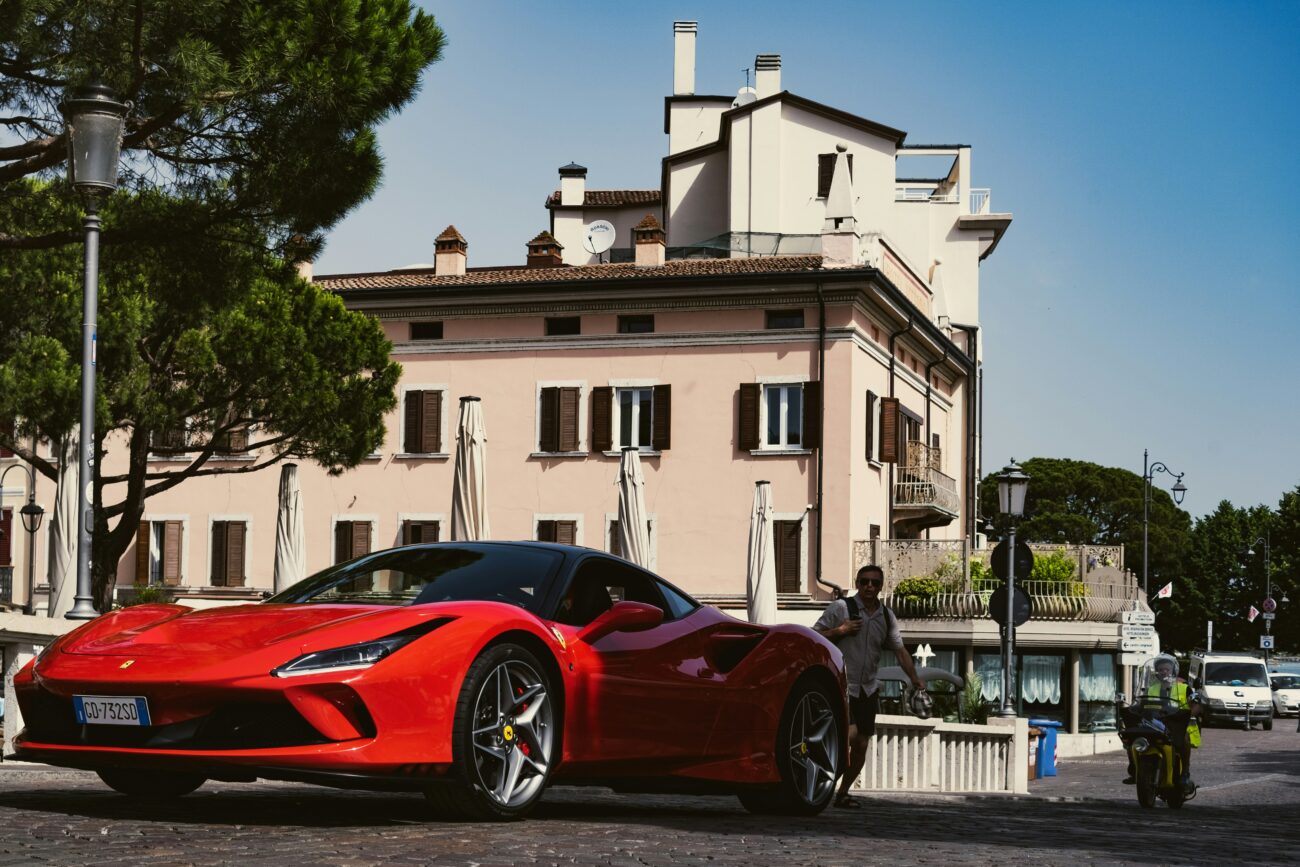
Europe in summer is a dream for many travellers — winding Alpine passes, sun-drenched Mediterranean coastlines, medieval villages basking in golden light. But if you’re planning a European road trip in a classic or exotic car, there’s one thing that can quickly turn the dream into a sweaty slog: the heat.
With temperatures routinely pushing above 35°C (95°F) across much of southern Europe in July and August (and the odd heatwave), managing heat — both for you and your car — becomes essential. Here’s how to stay cool, comfortable, and mechanically safe on your next summer road trip.
1. Hydration is Non-Negotiable
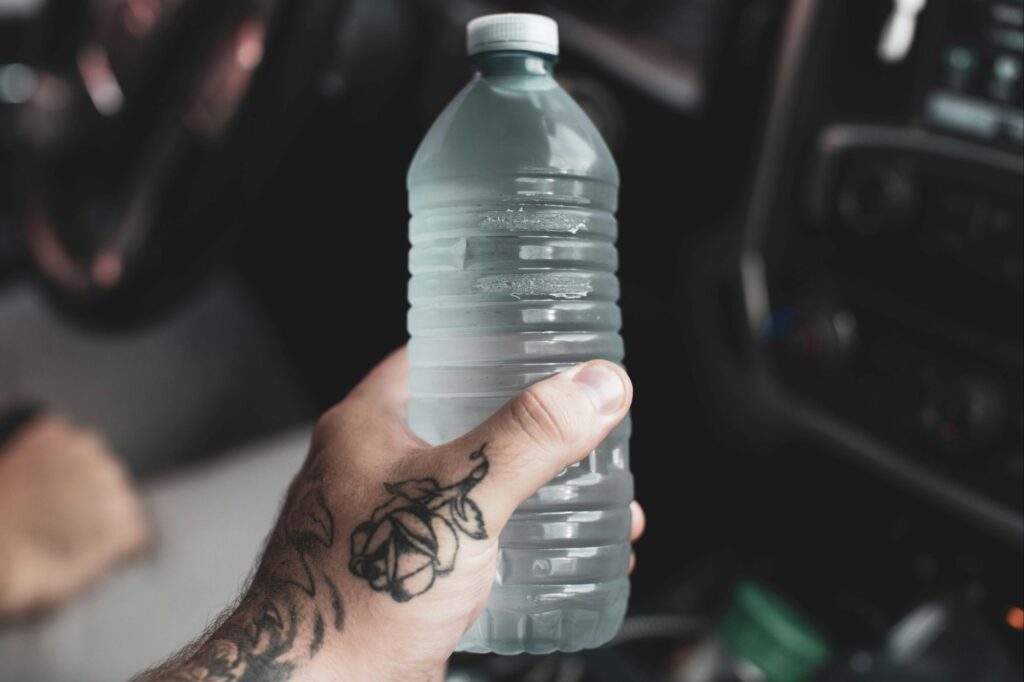
It sounds obvious, but in the excitement of exploring, it’s easy to forget the basics. Dehydration creeps up fast, especially if you’re stuck in a warm cabin or walking around sunny towns during stops.
What to do:
Carry lots of water– I recommend at least 2 litres of water per person per day in the car.
Keep a small cool box or insulated bottle to maintain drinkable temperatures (boiling hot water is not much fun).
Don’t just rely on water — isotonic drinks (like sports drinks or electrolyte tablets added to water) help replenish lost salts and minerals, especially if you’re sweating heavily.
Avoid too much coffee before long drives — it will dehydrate you further.
2. Time Your Driving to Dodge the Worst Heat

Midday in southern Europe can be brutal. From 11:30am to 3:30pm, the sun is at its most intense, turning roads into frying pans and dashboards into hotplates. Therefore, think about when you are on the road and the kind of strain you are putting yourself and your car through, at what time of day.
Smart timing makes all the difference:
Start early — hit the road by 6–7am if you’ve got distance to cover. It’s cooler, the roads are quieter, and you’ll arrive before the heat hits.
Or drive later in the afternoon or early evening. It’s a great time to enjoy golden hour light and cooler air.
Use the midday period for long lunch stops, sightseeing in shaded areas, siestas, or visiting museums and indoor attractions.
3. Regular Breaks = Safer, Cooler Driving
Heat increases fatigue — mentally and physically. Long stints behind the wheel in high temperatures can slow your reaction times and increase the risk of errors or mechanical stress.
Plan to stop every 2-3 hours, depending on your personal ability to endure heat. Remember that particularly in classic cars, the temperature inside can be meaningfully above the temperature outside.
Stretch your legs, cool down, and grab a cold drink.
If your car doesn’t have air conditioning, seek shade or indoor spots with AC to cool off.
Use these breaks to check your car: coolant levels, oil temperature, tyre pressures, and how your passengers are feeling.
4. Drive with Mechanical Sympathy
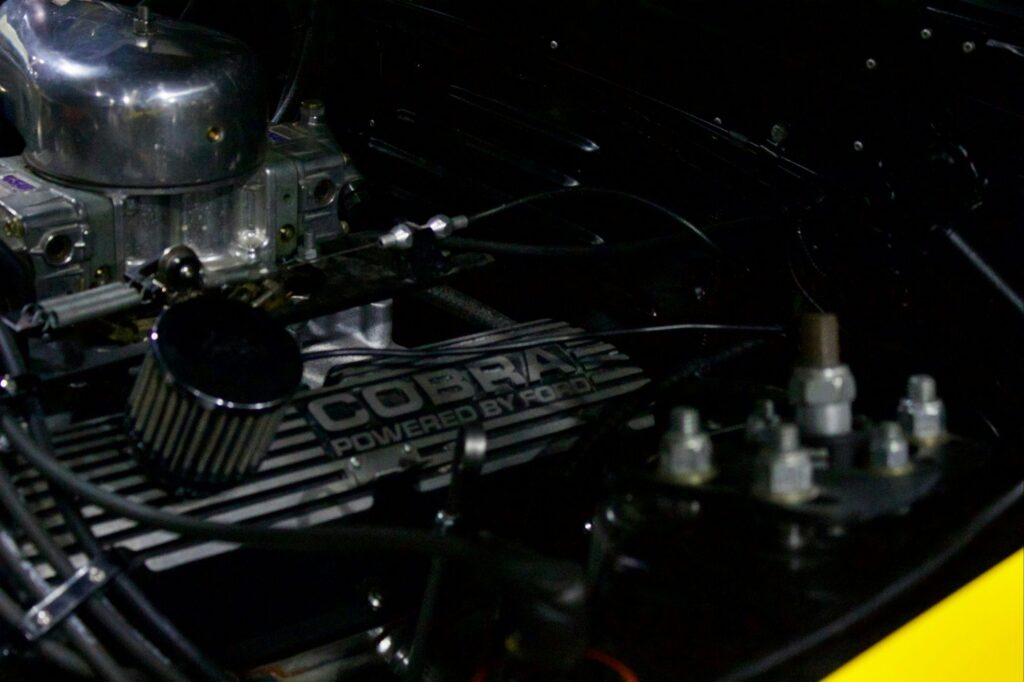
Whether you’re in a performance car or a classic model, your engine will be feeling the heat just as much as you are. Overheating is a real risk, especially in traffic or when climbing mountain roads.
Here’s how to protect your car:
Avoid revving unnecessarily in slow traffic. Drive gently and smoothly.
Use lower gears on climbs to avoid straining the engine.
If you’re in traffic, leave space ahead so you’re not constantly stopping and starting — it helps airflow and reduces engine stress.
Fit an auxiliary fan or check if your current cooling fan is up to the job. Some older cars benefit from aftermarket electric fans or improved radiators.
5. Prep Your Car Before the Trip
Prevention is better than breakdowns. Before you hit the road:
Ensure your cooling system is flushed and refilled if it hasn’t been done in a while.
Check your coolant mix — it should be suitable for high temperatures, especially if you’re heading into southern Europe.
Inspect hoses and belts for signs of wear — rubber parts deteriorate quickly in the heat.
Air conditioning not working? Sort it before you go or pack a portable fan or cool towel system.
6. Pack Heat Essentials
Alongside your usual road trip kit, consider adding:
A windscreen sunshade — a lifesaver when you park.
UV window films or shades for side windows to protect passengers.
A spray bottle of water — spritz yourself at stops for instant cooling.
Cooling towels or neck wraps — reusable and surprisingly effective.
A small battery-powered fan — handy if you’re in traffic or camping.
Check out the kit page for ideas and suggestions.
7. Dress and Fuel Right
Light, breathable clothing is essential — avoid dark colours or heavy materials. Collared shirts are generally better as they can keep the sun off your neck.
When it comes to your car’s fuel:
Heat can increase evaporation and reduce performance. Try to fuel up in the early morning or evening.
In mountainous areas, low-octane fuel can cause knocking in high-performance engines — use premium unleaded when you can, and carry octane booster if you’re going remote.
8. Don’t Let the Heat Ruin the Fun

Yes, you’ll sweat a little more. But summer road tripping in Europe also means:
Breezing along French lanes with the windows down
Dipping into lakes or the Med when you stop
Long, warm evenings dining outside under the stars
Embrace it — just plan ahead, drive smart, take your time and stay hydrated. That way, you’ll arrive cool, calm and with your car in perfect shape.
Final Tip: Watch the Kids and the Pets
If you’re travelling with little ones (or furry ones), be extra vigilant. Never leave anyone in a parked car — even for a few minutes. The temperature inside can rise to deadly levels in under 10 minutes.
Got your own summer survival tips? Share them with us at @eurocartrips — we love hearing how you keep cool on the Continent.
