
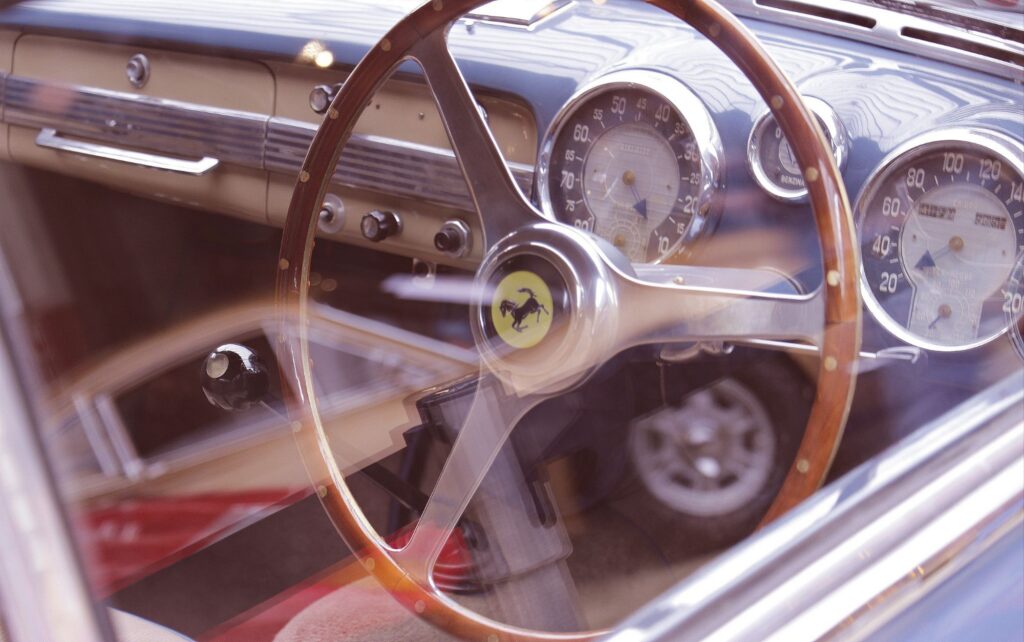
I was at a gathering last year, the kind with a marquee and a champagne sponsor, where a man I’d never met spent twenty minutes telling me about the provenance of his Ferrari. Matching numbers, one owner from new, full history file. Never driven in the wet. He said that last part with genuine pride. Never driven in the wet. As though the car had achieved something by not doing the one thing it was built to do.
Now, I understand the economics if this. I even understand the temptation. Classic cars have, for about two decades now, been sold to a certain kind of buyer as an asset class first and a machine second, something you hold in a climate-controlled unit alongside the wine and the watches, something whose value is protected precisely by its lack of use. And it has, undeniably, made some people a great deal of money.
But for me, it has also quietly poisoned something. It has taught an entire generation of enthusiasts that the correct relationship with a beautiful old car is for it to be looked at or locked away, rather than be experiential, that your job is to preserve it for the next owner, not to actually have the experience the car was designed to give you, before then passing it on for the next person to enjoy.
The mileage isn’t the problem
Nobody sensible is arguing you should thrash a numbers-matching GTO on a wet B-road for fun. Care and use are not opposites. But somewhere along the way, “care” got redefined as “minimise use altogether,” and that’s a different thing entirely. A car built to cross the Alps at speed, in period, driven by people who genuinely meant to arrive somewhere, doesn’t have its essential character preserved by sitting on a trickle charger in a unit near Heathrow. If anything, it’s diminished by it – the same way a beautiful house nobody lives in slowly stops being a home and starts being a museum piece with a postcode.
What gets lost
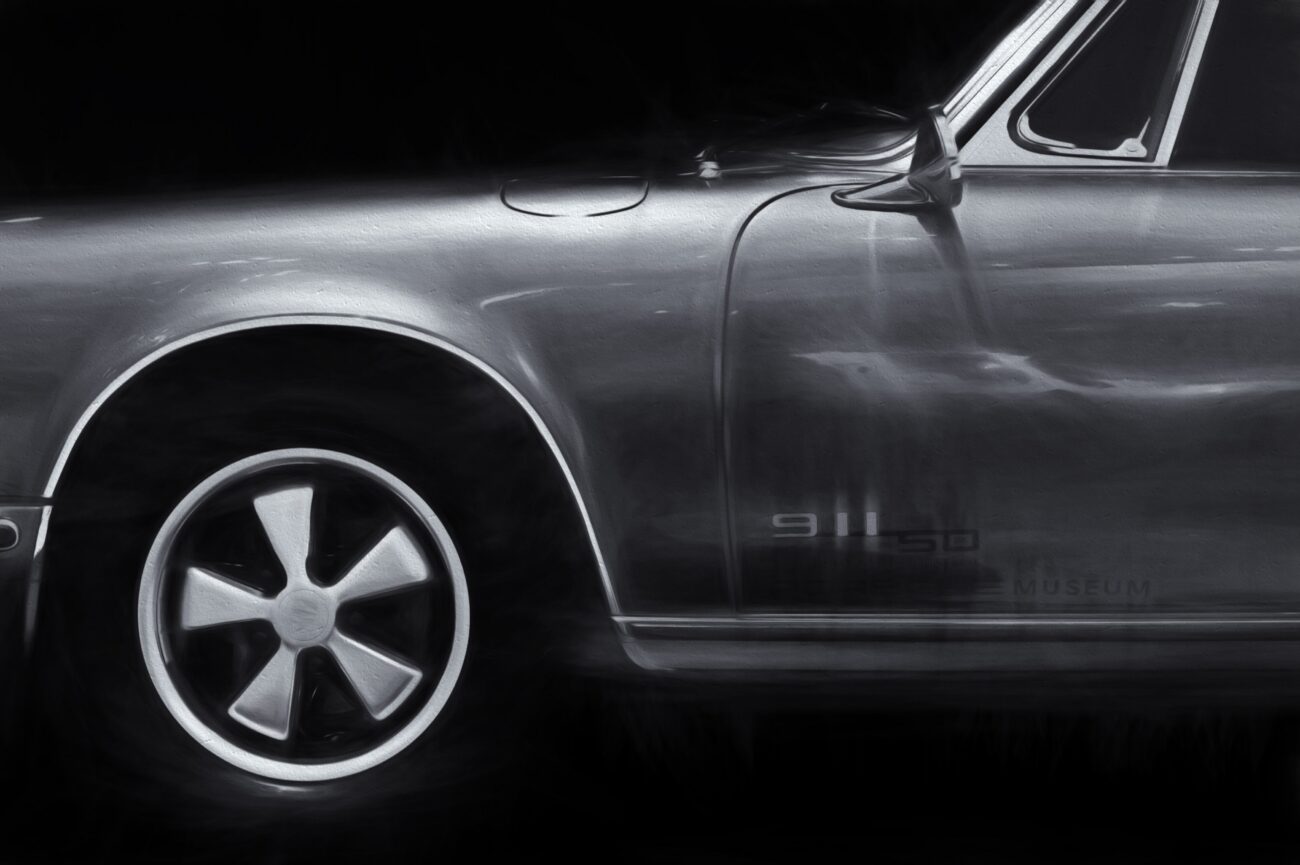
The thing that actually made these cars worth owning in the first place isn’t the badge or the auction result. It’s the specific, physical experience of driving them properly, the way a well-sorted 911 talks to you through the wheel on a mountain pass, the smell of a warm SU carburettor on a summer morning, the particular satisfaction of nursing something delicate and old across four countries and having it get you there. That experience is not transferable to a spreadsheet. You cannot capitalise it. And an entire market has been built that treats it as an inconvenient side effect rather than the entire point. In many ways, this feeling is why Eurocartrips and The Touring Standard exist.
The counter-position
The journey is the asset. The stories you accumulate, the pass you drove at seven in the morning with nobody else on the road, the garage in a village whose name you can’t quite pronounce, the meal you had afterwards because you were still buzzing from the drive – these compound in a way no auction result does. They don’t depreciate.
Nobody can short them
None of this is an argument against value, or against caring for a car properly, or even against the occasional investment-grade purchase made with eyes open. It’s an argument against forgetting why the thing was built in the first place, and letting a spreadsheet make that decision for you.
Finally: Drive it!
In the wet, occasionally, if that’s what the trip calls for. That’s not disrespect for the car. It’s the only respect that actually matters.
So, get out there, enjoy your cars, and use them how they were intended. And if you need ideas or inspiration on where to go, you are in the right place 😃.
