
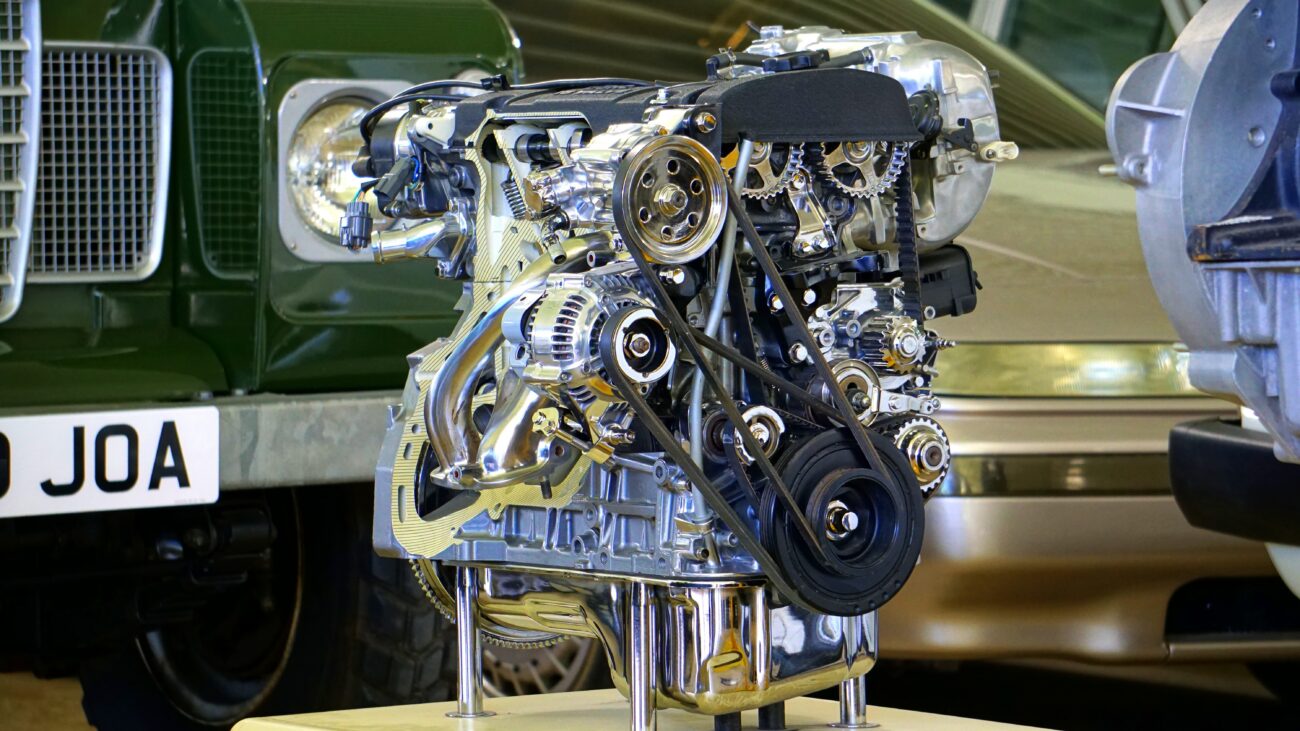
They don’t (always) advertise. They don’t have loyalty programmes. They know your car better than you do, and without them, classic car touring simply wouldn’t exist.
There is a name in most classic car owners’ phones that doesn’t belong to a dealer, a parts supplier, or a broker. It’s the number for a small garage, possibly without a website, almost certainly without an Instagram account, which is run by someone who has spent thirty years getting their hands dirty with exactly the kind of car you’re trying to keep on the road. You call this number before you call anyone else. You trust this person with something you care about enormously. And the chances are, you found them by word of mouth.
These workshops – the independents, the specialists, the small operations that survive almost entirely on reputation, are the real infrastructure of British and European classic car culture. We don’t talk about them enough, and I don’t think we support them enough.
That’s what this article is about. Consider it a proper argument for the independent garage, and a practical guide to getting more from the relationship.
What the dealer can’t give you
A franchised dealer is good at many things. Warranty claims, service plans, software updates, and the smooth processing of large volumes of similar cars through a standardised system. For a three-year-old family saloon, it’s a perfectly reasonable arrangement.
But bring in an air-cooled 911, a 1970s Italian GT, or an E-Type in the middle of a restoration, and the dynamics shift entirely. The dealer’s systems don’t accommodate the car. The technicians, good as they are, haven’t spent a decade developing an intuitive feel for a particular engine’s quirks. The diagnostic software covers what it covers, and not the particular set of problems your car tends to throw up at the worst possible moments or the things that might go wrong in the near future, from knowing lots of these cars.
The independent specialist, by contrast, has probably seen your exact problem before. They know which O-ring fails at what mileage, which thermostat housing cracks under sustained heat, and which previous owner modification is quietly causing the issue you thought was something else entirely. That knowledge doesn’t live in a database. It lives in a person who has been doing this for a very long time.
These small businesses are the lifeblood of UK motoring culture. When you restore or refurbish rather than replace, you honour tradition, craftsmanship, and engineering skill.
The refurbishment mindset
Here is where I want to make a slightly broader argument, because it connects to something important about how we think about classic and performance cars in general.
The default instinct, when something wears out or fails, is to replace it. New part, out with the old, problem solved. This is quick, clean, and entirely understandable. But it’s not always the right answer, and in older cars it’s frequently the wrong one.
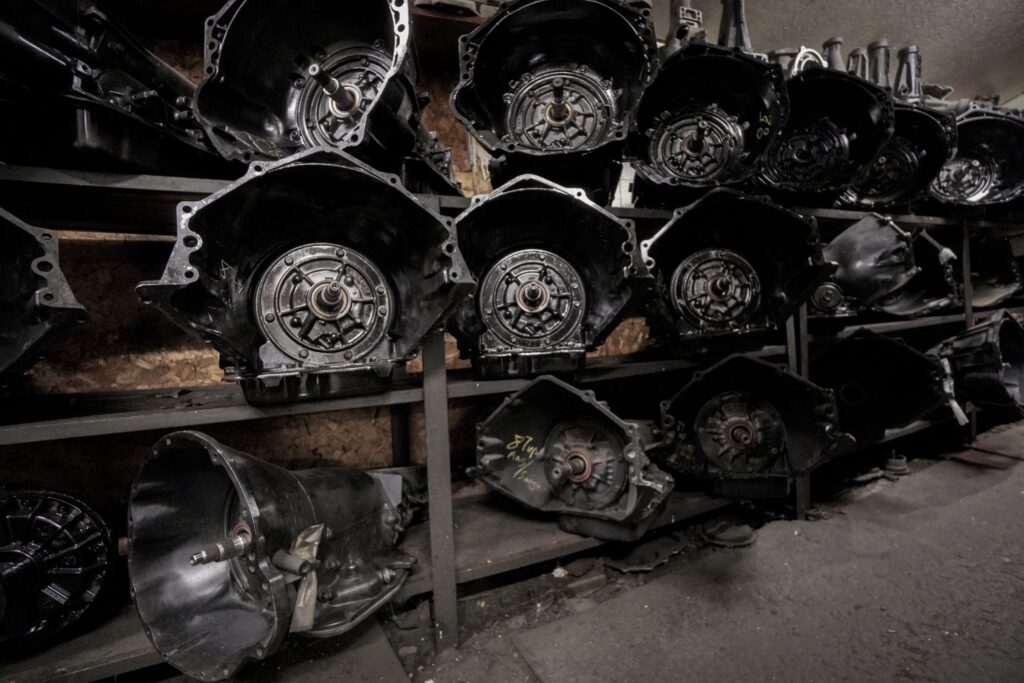
A good independent specialist will often offer you an alternative: refurbishment. Suspension bushes re-pressed rather than replaced. A radiator re-cored rather than swapped out. A carburettor rebuilt to the original spec rather than exchanged for something that functions but doesn’t feel right. A gearbox overhauled rather than replaced with a unit of uncertain provenance.
The results of this approach are usually better. The component is restored to its original specification, which is to say the specification the engineers actually intended. The fit is correct. The feel is correct. And there is something quietly satisfying about knowing that the part on your car has been properly attended to, rather than simply removed and discarded.
There’s also the question of what you can add without compromising what the car is. Modern independent specialists, particularly the good ones, can be very creative about sympathetic improvements. USB charging points wired invisibly into the dash. Digital gauges fitted behind the original instrument surrounds. Improved cooling systems that don’t alter the look of the engine bay. Electronic ignition that retains the original distributor cap. The list of things that can be done without ruining a classic is longer than most owners realise.
Telling them how you actually use the car
This is the piece of advice I want to underline, because it makes a significant difference in practice. When you book a specialist workshop, tell them how you use the car.
Not the registration number. Not the service history. Tell them that you’re planning a two-week run through France and into Spain, that you’ll be on motorways for sustained periods, that the car needs to sit in summer traffic at altitude without overheating, and that when you get to the good roads you want to actually enjoy them rather than be managing the car’s anxieties.
This changes the conversation completely. A good specialist will start thinking about your specific use case – the cooling requirements of sustained motorway running in heat, the brake setup for mountain descents, the reliability of the electrical system when everything is running at once. They will flag things you hadn’t considered. They will also tell you what doesn’t need doing, which is equally valuable.
Ask for their ideas. You will be surprised what can be achieved by someone who understands both the car and the journey.
The community they sustain
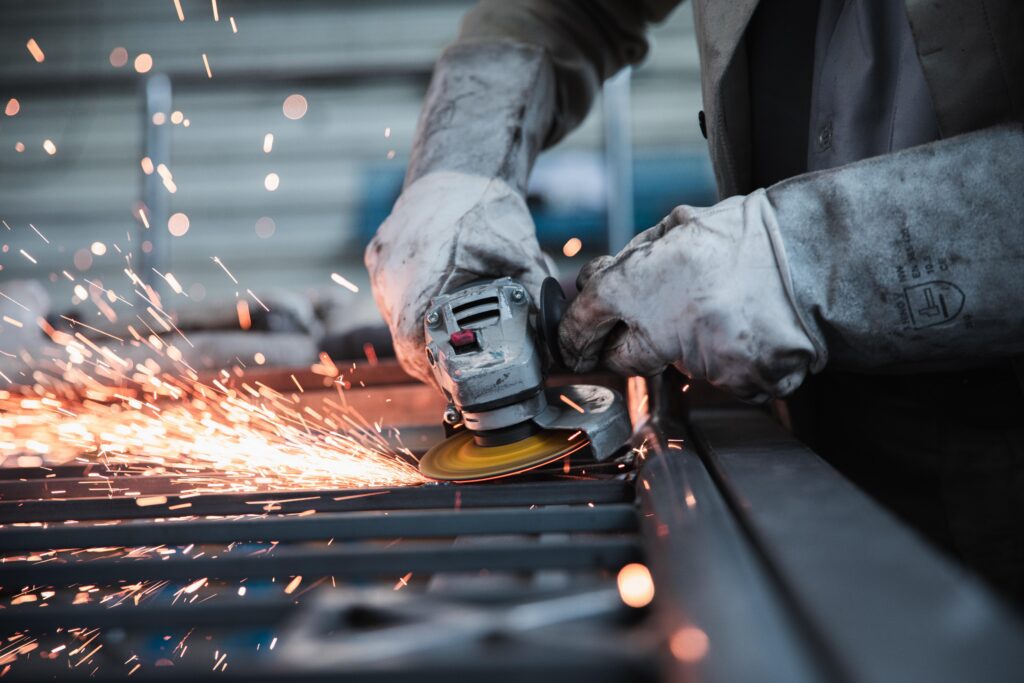
Beyond the practical argument, there’s a cultural one. Independent specialists are a crucial part of what makes the classic car world a world rather than just a market. They are repositories of knowledge that would otherwise disappear. The retired engineer who knows how to tune a Bristol straight-six. The former factory apprentice who understands exactly why the early cars behave the way they do in cold weather. The one-man operation who has sourced reproduction parts for a car the mainstream trade gave up on twenty years ago.
This knowledge doesn’t transfer easily. It isn’t written down in a form that’s accessible. It exists in people, and when those people retire without anyone to hand it on to, it’s gone. Every time the car community doesn’t support these small operators, we make that loss slightly more likely.
Supporting independents is, in a small way, an act of cultural preservation. The cars need people who understand them. The people who understand them need enough work to keep doing it.
How to get more from an independent specialist
- Book ahead – good specialists are busy and lead times of a few months are normal. If you’re planning a summer trip, call in February or March at the latest.
- Tell them how you use the car, not just what’s wrong with it. Specificity helps them help you.
- Ask about refurbishment options before accepting a replacement. The answer might surprise you.
- Ask what they’d do if it were their car. This question, more than almost any other, produces honest and useful answers.
- Pay the invoice promptly. Cash flow is the chronic problem of small businesses, and a prompt-paying customer is a valued one.
- Recommend them. Word of mouth is how they survive. If they’re good, tell people.
A simple ask
Next time the car needs work, or next time you’re tempted by the convenience of a main dealer, the familiarity of a chain, or the apparent simplicity of just ordering the part yourself and fitting it, pause for a moment. Ask whether there’s an independent who knows this car, this marque, or at least this era of engineering, who might do the job better.
There usually is. And they are almost certainly worth calling.
The classic car touring life depends on these workshops more than most of us realise. The least we can do is keep them busy.
