
There’s a certain romance to the idea of a European road trip. Cruising through Alpine passes, winding your way through Tuscan hills, or chasing the sun along the Côte d’Azur in your pride and joy—be it a classic E-Type or a modern sports coupé. But for many would-be road trippers, there’s one nagging fear that lingers in the back of the mind: what if I break down abroad?
Let’s address that fear head-on—because it’s valid, but also very manageable. With the right preparation, a sensible route, and an understanding of what happens if the worst does occur, you’ll realise this is a fear you can put firmly in the glovebox.
A Well-Prepared Car is Your Best Insurance
The best way to avoid a breakdown on your European adventure is deceptively simple: start with a well-maintained car. Whether you’re in a cherished 1970s Porsche or a relatively modern GT, you need to get your car road-trip ready.
This means:
Pre-trip inspection: Ideally by a specialist, especially if you’re taking a classic. Focus on brakes, cooling system, tyres, electrics, and suspension. If you work on your own cars, don’t underestimate the value of a second opinion, a fresh pair of eyes.
Test run: Take your car on a 100+ mile drive in the weeks before departure. If something’s going to rattle loose, it’ll do it here, not halfway up the Furka Pass.
Fluids and filters: Fresh oil, coolant, brake fluid, and topped-up washer fluid go a long way.
Spares and tools: Especially for older cars, consider carrying fan belts, fuses, bulbs, and any known weak points. Also, know your spanner sizes and make sure you have the correct ones with you, plus any specialist tools (MG’s have a special brake adjuster spanner, for example).
If your car has been running well at home and you give it a thorough once-over before setting off, the odds are firmly in your favour.
Sensible Route Planning Makes a Big Difference

European roads are some of the best in the world—but even the best roads become stressful when you’re chasing a ferry booking or sweating over whether you’ll make it to the next town before dark.
Avoid this by:
Planning realistic daily mileages—around 200–300 miles is sensible, especially if your car is older. Alongside this, think about the type of roads you will be travelling on. 300 miles of motorway is a lot less stressful than 300 miles of mountain climbs or stop-start town driving.
Building in buffer time—so if you do hit a snag, you’re not derailing the entire trip.
Avoiding remote wild routes on day one—stick to more accessible areas early in your journey to iron out any mechanical gremlins.
A well-paced route means you’re not pushing your car or yourself too hard. This is important : you and your car should be here for a long time and a good time!
But what if I break down abroad? What actually happens?
Let’s get to the heart of the fear: what actually happens if your car breaks down in France?
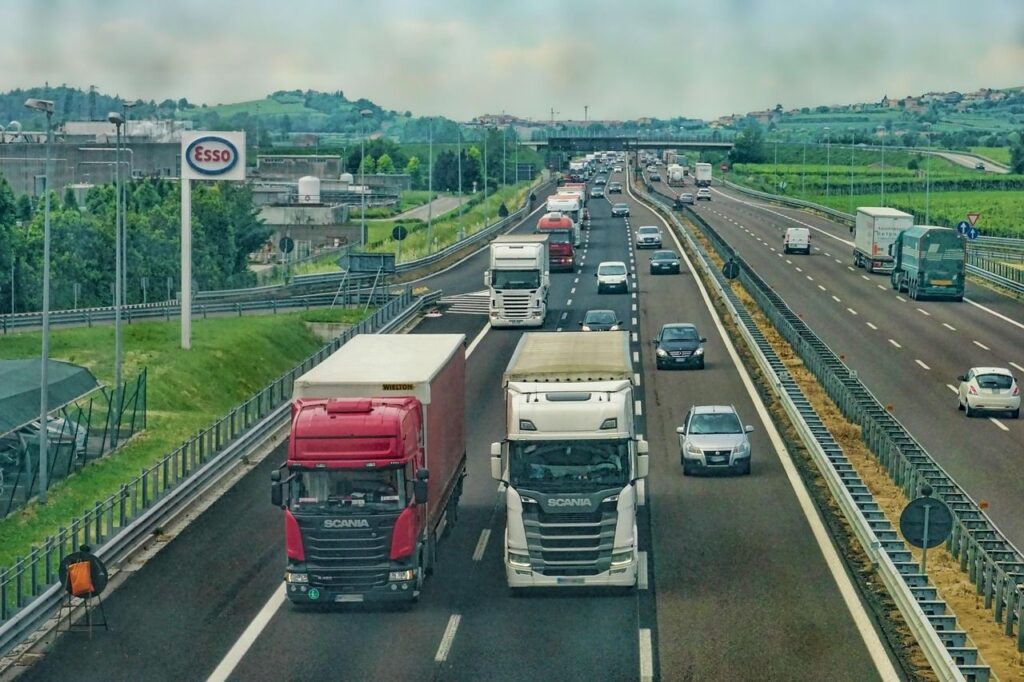
On an Autoroute (Motorway)
French autoroutes are toll roads, and private breakdown recovery is not permitted. Instead, here’s the process:
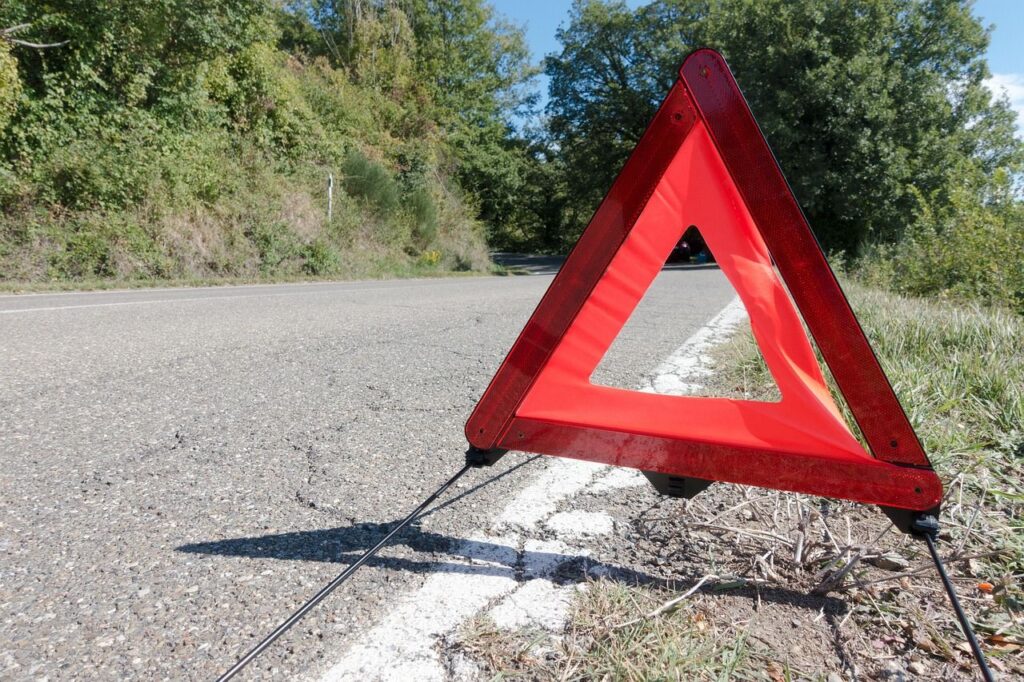
1. Pull over to the hard shoulder and turn on your hazard lights.
2. Exit the car and stand behind the safety barrier.
3. Use the orange emergency phone (every 2km) to call for assistance. Alternatively, you can dial 112, the Europe-wide emergency number.
4. An authorised motorway recovery operator will arrive, usually within 30–60 minutes. They will tow you to the nearest approved garage or a safe location off the motorway.
You’ll be charged for this initial tow (typically €120–€180 depending on time of day), but this is usually reimbursed by your UK breakdown cover, assuming you have European cover in place (more on that below).
On National or Local Roads
If you break down on non-motorway roads, you can call your UK breakdown provider’s international number directly. Most of the big names—RAC, AA, Green Flag—have multilingual lines and established relationships with local tow companies. This happens more often than you may think, especially on popular routes and dates in France. It seems that half the classic car fans in the UK travel to France at some point during the year!
The vehicle will be taken to either a garage or a secure location, and you should be kept informed throughout. Make sure you grab everything out of the car that you will need, including passports and travel documents.
What Happens Next?
If your car can be repaired locally within a few days, your breakdown cover may pay for emergency accommodation and the repair costs (minus any exclusions).
If the car cannot be fixed quickly, you have two main options:
1. Repatriation to the UK
Classic cars are often better off being returned to your trusted UK mechanic than fixed abroad, especially if parts are hard to find. Your breakdown provider will usually arrange repatriation if the cost of repair exceeds the value of the vehicle or can’t be done within a few working days.
This involves a truck collecting your vehicle and transporting it back to the UK—this can take up to two weeks, depending on location and availability. Your insurer can guide you on this.
2. Hire Car to Continue Your Trip
Most (but not all) European breakdown policies include the option of a hire car to help you complete your journey. This car may not be glamorous—it’s unlikely to be a vintage Alfa—but it keeps your plans intact.
Here’s the key point: many hire car companies do not allow you to take the car across borders or return it in a different country, especially if you intend to bring it back to the UK. In most cases, the hire car is for continued use within Europe, and you’ll need to fly or take the train back to the UK while your broken car is repatriated separately. Think about the logistics of this and whether you need to make additional arrangements.
That said, it’s an excellent solution to salvage your holiday. And yes, you can still enjoy the Stelvio Pass in a Peugeot 208 (so I am told).
Real Talk: Classic Cars and Breakdowns in France
We get it—classic cars are more prone to issues. But in France, there’s a surprisingly large community of classic enthusiasts and local mechanics who are often more capable of working on old cars than you might expect in the UK.
What’s typical?
👉 Overheating in Alpine regions or traffic-heavy areas like Paris or Lyon.
👉 Electrical faults caused by vibration, old connectors, or corrosion.
👉 Fuel delivery issues—blocked filters or tired pumps are common.
If you have good cover and your car is otherwise well-maintained, these issues are generally fixable. It may take a day or two, but you won’t be left high and dry.
Final Thoughts: The Risk is Real—But Manageable

Yes, breaking down abroad is inconvenient. But is it a reason to cancel your dream drive through Burgundy or the Black Forest? Or, crucially, not to go at all?
Absolutely not.
With the right prep, the risks are no greater than driving to Cornwall or the Highlands—and arguably lower, since European roads are often much better surfaced, better maintained, and less stressful to drive on.
Here’s what I recommend:
✅️ Take out high-quality European breakdown cover—not the cheapest, but one that includes repatriation, hotel costs, and a hire car.
✅️ Keep documents handy—insurance, V5C logbook, breakdown policy, and a printed list of emergency contacts. A digital scan of these documents is also useful.
✅️ Have a Plan B—a few buffer days in your itinerary, knowledge of nearby towns, and flexibility in your accommodation bookings.
Ultimately, the memories you make on a European road trip—the food, the views, the people, the driving—will last far longer than the sting of a call-out fee or a delayed journey.
So go ahead. Load the boot, fire up the engine, and drive your dream.
I hope this article has been useful in your road trip planning and helps you to have the confidence to get out there and enjoy the open road and a beautiful vehicle. If you like what you read here, be sure to check out our bi-weekly newsletter, the Touring Standard, and our Ultimate Road Trip Guide. Finally, check us out on Instagram if you haven’t already!
