
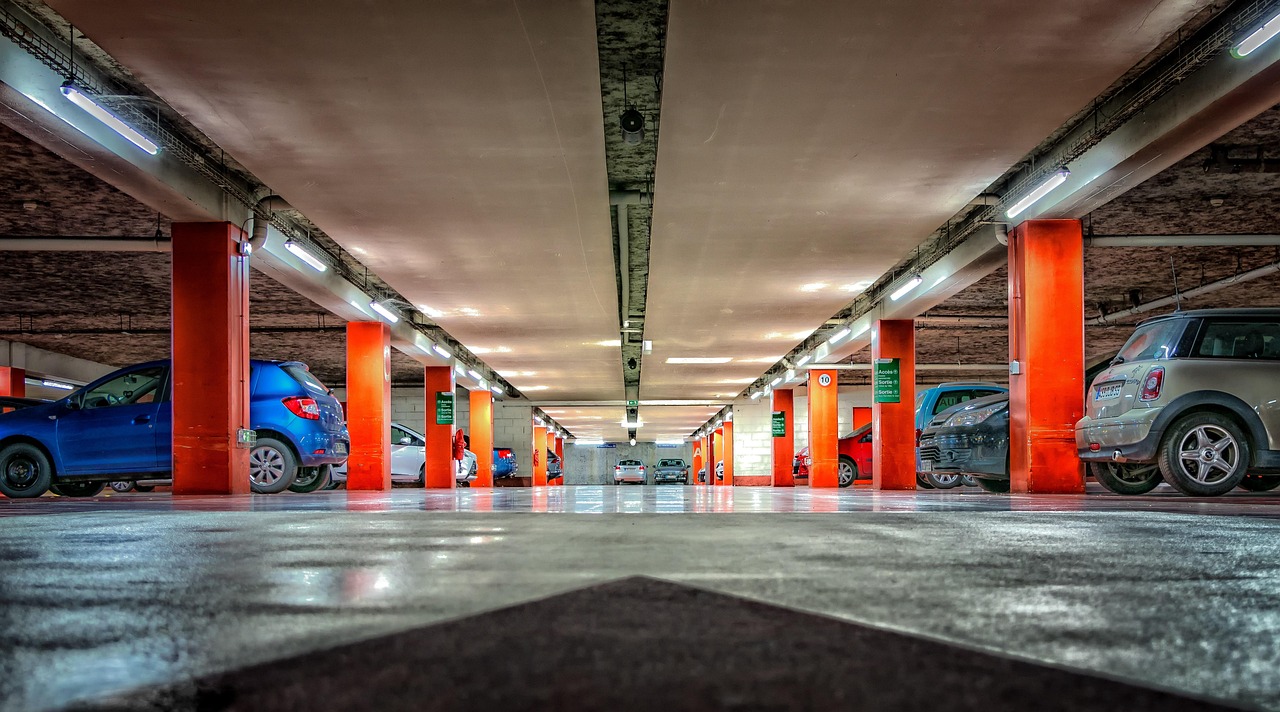
You’ve crossed the Channel for the good stuff: empty D-roads, vineyard switchbacks, and a burbling soundtrack. Don’t let parking anxiety spoil the trip. In France, secure parking is doable—you just need the right tactics, the right hotels, and a few words of French. Here’s the playbook I use when travelling with classic and exotic cars.
1) Pick hotels with the right kind of parking
When searching, look for these exact phrases in the listing (or ask by email):
- “Parking sécurisé / parking clos” – secure or enclosed parking
- “Garage fermé / box fermé” – locked private garage/individual box
- “Cour intérieure fermée” – enclosed inner courtyard (often gated at night)
- “Parking souterrain” – underground garage (usually with CCTV)
Hotel types that often work well
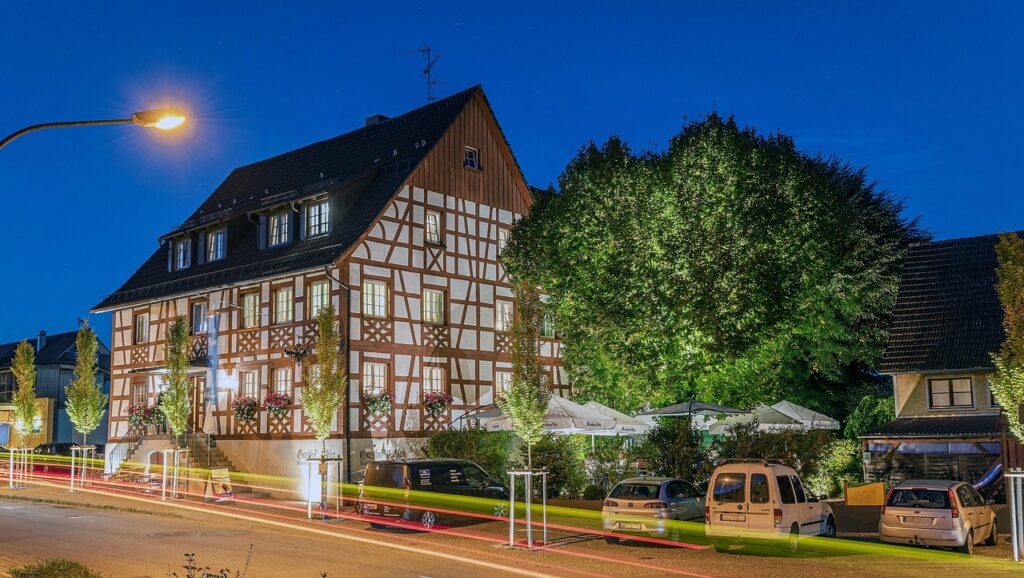
- Logis Hotels & independent “hôtel de charme”: Many are converted townhouses or inns with gated courtyards. Great across rural France, Burgundy, Dordogne, Alsace, Loire.
- Mercure / Novotel (Accor): Business-leaning properties in city outskirts or retail parks usually have gated surface lots or underground garages. Good balance of price and security.
- Relais & Châteaux / château hotels: Pricier, but you’ll often get private grounds, limited access, and staff who understand special-car requests.
- Brit Hotel / Kyriad / Campanile: Mixed, but suburban sites frequently have fenced car parks with keypad gates after hours.
- Aparthotels (Adagio, Citadines): Commonly include underground parking—useful in larger cities.
Tip: City-centre boutiques can be hit-and-miss. If they lack on-site parking, they’ll sometimes partner with a nearby public garage—ask which one, then check height/width, ramp angles, and security.
2) Choose locations that favour the car
- City edge over city core: Book in suburban business parks or near retail hubs where hotels have land for gated car parks. You’re still 10–15 minutes from the old town by taxi, but your car sleeps behind a fence. I can’t recommend this enough- be close enough to the town to walk in, but far away enough that space isn’t so costly, hotel owners sacrifice parking.
- Villages with courtyards: In wine regions (Beaune, Chablis, Ribeauvillé, Saint-Émilion) and the Loire, look for inns with inner courtyards—often locked after 22:00.
- Ferry ports & first night in France: Near Caen, St-Malo, Cherbourg, Le Havre and Calais, pick chain hotels with private compounds. After a late arrival, you’ll want zero fuss and somewhere you can see the car from your room or reception.
- Alpine towns: Aim for hotels with underground garages (common in Chamonix, Annecy, Megève). Ask about ramp gradients and lip-friendly entries.
3) Use the right parking networks in towns
Copy/paste this into an email:
Bonjour,
Nous voyageons avec une voiture de collection/une voiture sportive. Avez-vous un garage fermé ou un parking sécurisé (portail, caméra) sur place ?
Serait-il possible de réserver une place proche de l’entrée ou à l’abri des regards ?
Merci d’avance !
Key asks:
- Is the gate locked overnight? (fermé la nuit)
- CCTV? (vidéosurveillance)
- Maximum height and ramp angle for low cars
- Assigned bays or private box available?
- Cost and whether it can be reserved
5) Practical on-the-ground tactics
- Arrive before dark. You’ll see the layout, spot dips/speed humps (dos d’âne), and choose a corner or pillar-protected bay.
- Park nose-out against a wall or pillar to reduce door-ding risk and block tow-away angles.
- Use physical deterrents: classic steering-wheel lock, OBD lock (for moderns) are good ideas. Visible security encourages casual thieves to move on.
- Keep it boring: No car covers in city garages (they sometimes attract attention). Keep the cabin empty and think about leaving the glovebox open to show there’s nothing to take.
- Room with a view: If the car is in an open courtyard, ask for a room overlooking the car park. Staff visibility matters.
6) Booking filters & search hacks
- On hotel sites, filter for “private parking”, “on-site parking”, or “parking garage”. Then read the recent reviews—guests almost always mention if the car park felt safe or if spaces were tight.
- In Google Maps, search “parking souterrain” or the operator name (Indigo/Q-Park/EFFIA) + the town. Street View the entrance to check ramp angles and lip killers.
- In vineyard regions, search “gîte avec parking clos” or “domaine viticole chambre d’hôtes parking”—wine estates often have courtyards behind gates.
7) Special notes for classics and exotics
- Ground clearance: Call ahead about ramps, kerbs, and sleeping policemen. The French love a hefty speed hump.
- Battery tenders: If you need power, ask for a bay near a socket in an underground garage.
- Insurance: Check your policy for overnight parking conditions abroad. Some classic policies want “locked compound or garage” after 22:00—get the hotel to confirm in writing if needed.
8) Avoid avoidable headaches
- Big city centres: If you’re just overnighting, stay one tram stop outside the centre with a gated car park; taxi in for dinner.
- Weekend markets: Town squares can become stalls at 06:00—don’t leave the car where temporary signage warns of market days.
- Low Emission Zones (ZFE): Rules vary by city and car—check before you book a city-centre stay to avoid last-minute reroutes.
Bottom line
Book the parking, not just the room. Prioritise hotels with gated courtyards, underground garages, or private boxes; lean on Logis, Mercure/Novotel, and rural inns/châteaux; and use Indigo/Q-Park/EFFIA in towns. Ask the right questions, arrive early, and use visible deterrents. Do this, and your pride and joy sleeps as soundly as you do—ready for another perfect French morning on the D-roads.
I hope this article has been useful in your road trip planning and helps you to have the confidence to get out there and enjoy the open road and a beautiful vehicle. If you like what you read here, be sure to check out our bi-weekly newsletter, the Touring Standard, and our Ultimate Road Trip Guide. Finally, check us out on Instagram if you haven’t already!
