
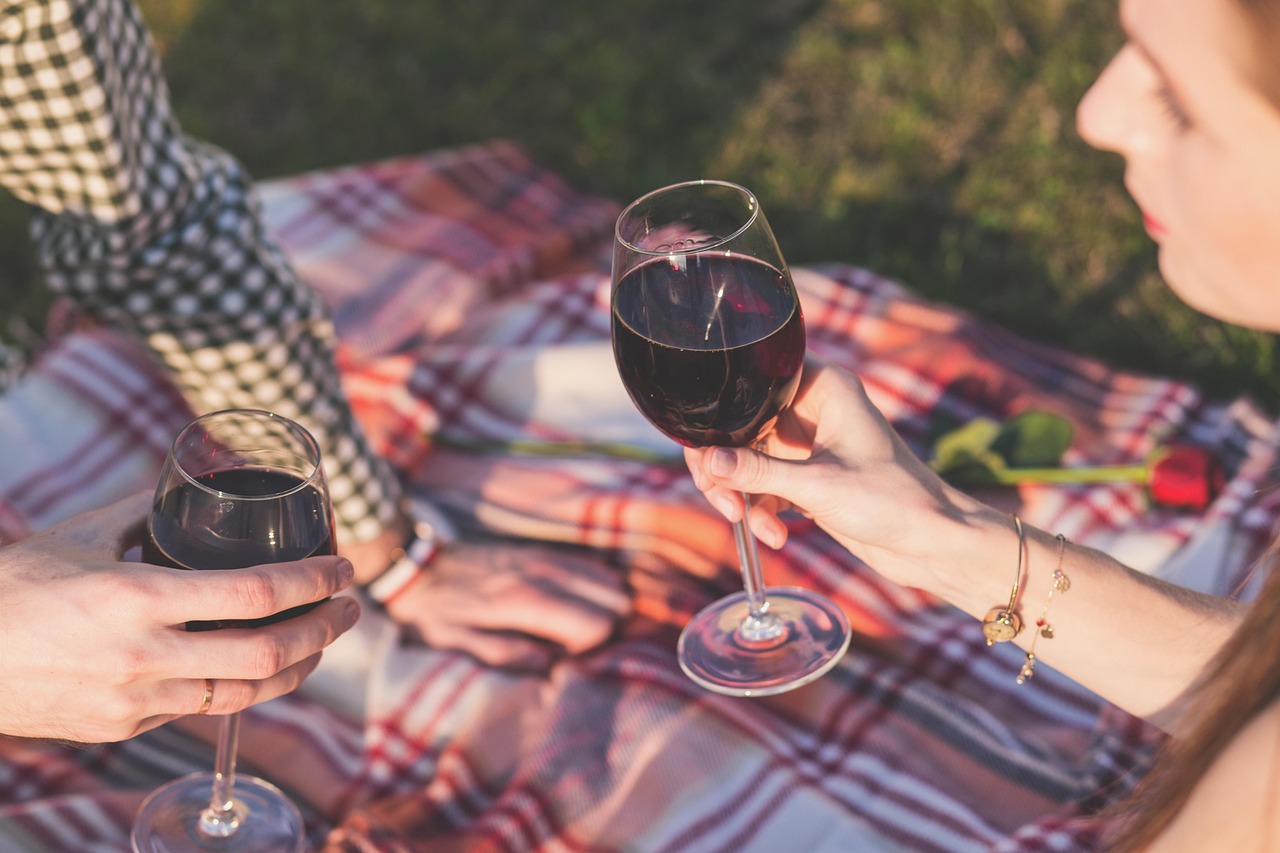
France is a country that rewards travellers who take the road less travelled. From the rolling vineyards of Bordeaux to the lavender‑scented passes of the Route Napoléon, every kilometre tells a story. In this article we will share some personal favourites (there are a lot to choose from!) to help satisfy those who like the trio of good road trips, good wine, and good food. Here goes….
Bordeaux – The Heartbeat of French Wine
Begin your journey in Bordeaux, the gateway to one of the world’s most celebrated wine regions. While the city itself boasts elegant boulevards, grand squares, and a vibrant culinary scene, the true magic unfolds when you follow the Garonne estuary northward.
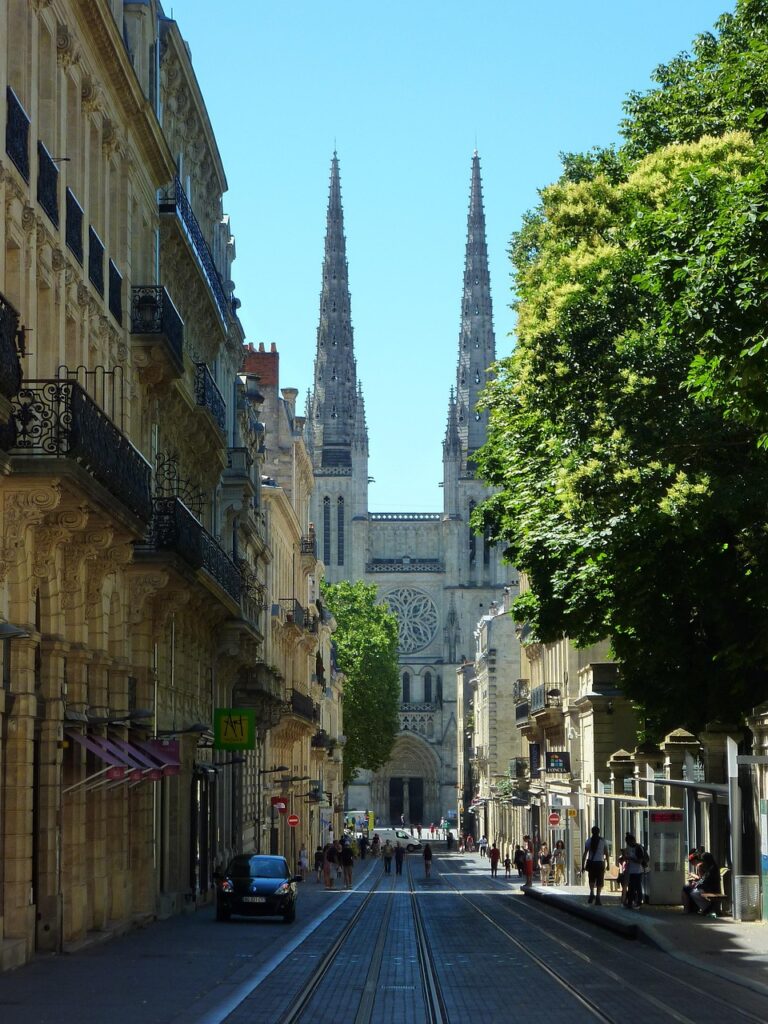
Just a short drive from the city centre, the legendary châteaux of Château Margaux and Château Lafite Rothschild beckon. Both estates offer exclusive tastings that showcase the depth and nuance of Cabernet Sauvignon‑dominant blends. Even if you limit yourself to a single pour, the experience of standing among centuries‑old oak barrels is unforgettable.
Gastronomy Meets Elegance
Back in Bordeaux, treat yourself to a dinner at Le Pressoir d’Argent, the Gordon Ramsay‑owned restaurant that has earned two Michelin stars. The menu fuses classic French technique with contemporary flair, and the wine list is curated to complement every course. Reserve early; the intimate dining room fills quickly, especially during the harvest season.
Crossing the River to Saint‑Émilion
A short ferry ride across the Dordogne (and a rather nice country drive) brings you to Saint‑Émilion, a UNESCO World Heritage site whose medieval streets wind around terraced vineyards. Here, you can explore the underground monolithic church, sip a glass of Merlot on a sun‑drenched terrace, and even join a guided “wine & history” walk that reveals the town’s Roman roots. Driving tip: The roads between Bordeaux and Saint‑Émilion are lined with ancient stone walls and gentle curves, perfect for a classic car, and a convertible even more so. Take your time, enjoy the scenery, and stop at the small village cafés that pepper the route.
Loire Valley – Fairy‑tale castles and motorsport legends
The Loire Valley, often called the “Garden of France,” is a tapestry of châteaux, vineyards, and winding rivers. It also holds a special place in motorsport history due to it being the home of Le Mans and the Le Mans Classic, making it an ideal playground for petrolheads.

Orléans – The starting point
If you’re crossing the Channel from the UK, the drive from Calais to Orléans takes about 4 hours. Orléans itself is steeped in Joan of Arc lore, and its riverside promenade offers a pleasant warm‑up before you hit the more remote stretches of the valley.
Château de Chambord – A Renaissance Dream
Continuing westward, the iconic silhouette of Château de Chambord rises from the forested horizon. Its double‑helix staircase, inspired by Leonardo da Vinci, is a marvel of engineering—something any car lover will appreciate. While the interior tours are popular, consider booking a private early‑morning visit to avoid crowds and capture the sunrise over the moat.
Culinary Highlights in Amboise
Just downstream, the town of Amboise hosts Les Arpents, a Michelin‑starred restaurant that blends Loire‑valley produce with inventive techniques. Their tasting menu, paired with local Chenin Blanc, showcases the region’s terroir in a refined setting.
Saumur – Sunset boat rides and vintage vines
Further along the river, Saumur offers a unique blend of wine and water. Book a sunset cruise on the Loire; the golden light reflects off the château’s towers, creating a postcard‑perfect moment. After the boat ride, sample Saumur’s crisp sparkling wines at a nearby cellar. Driving tip: The Loire’s “Route des Châteaux” is a series of gently curving roads that hug the riverbank. With a classic convertible, the open‑air experience becomes a celebration of both engineering and natural beauty.
Troyes – medieval charm and Champagne‑infused skies
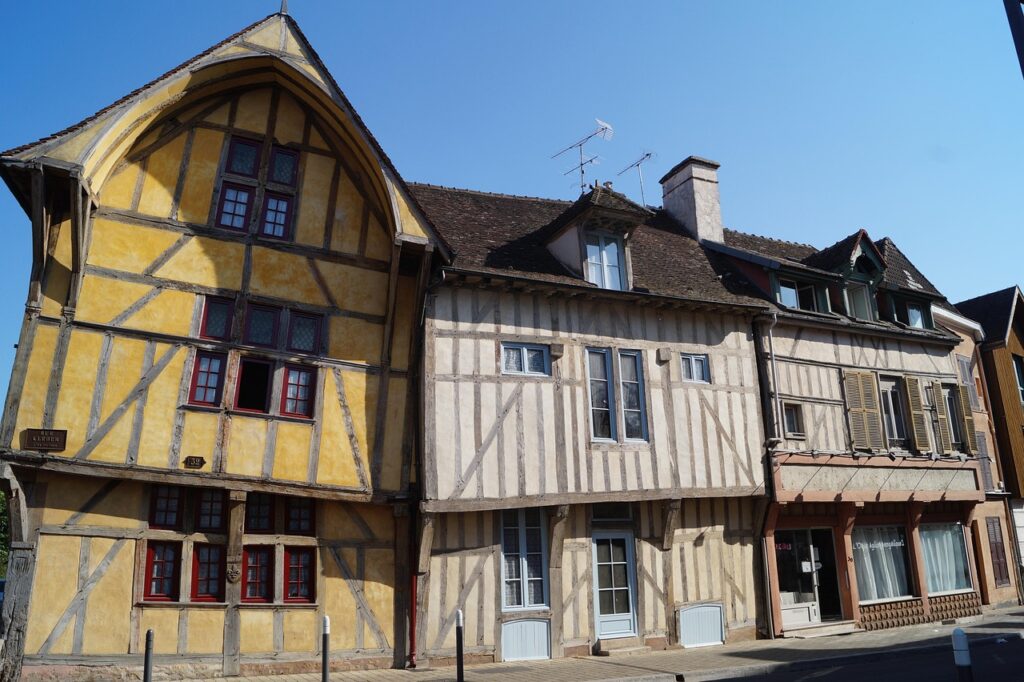
Tucked in the Champagne‑Ardenne region, Troyes is a hidden gem that combines half‑timbered houses, historic cobblestones, and proximity to world‑class vineyards. A personal favourite of the author, this is a place that is well worth a visit.
Exploring the old town
Stroll through the narrow lanes of Troyes’ old quarter, where pastel‑coloured timber façades create a whimsical backdrop for coffee breaks and boutique shopping. The city’s cathedral, Cathédrale Saint‑Pierre-et‑Saint‑Paul, dominates the skyline and offers panoramic views from its tower.
Montgueux Vineyard – A local treasure
Just outside the city lies Montgueux Vineyard, renowned for its crisp Pinot Noir and aromatic Chardonnay. The estate offers intimate tastings that focus on sustainable viticulture, a perfect complement to a day spent exploring the medieval streets.
Champagne flight at Lionel Carreau
For an unforgettable aerial perspective, head to Lionel Carreau Champagne Estate, about a 40‑minute drive from Troyes. The estate provides hot‑air balloon flights that glide over endless rows of vines, followed by a private champagne tasting in the cellar. The combination of altitude and effervescence creates a sensory experience unlike any other.
Stay at Hotel La Maison De Rhodes
Your home base in Troyes can be Hotel La Maison De Rhodes, a 15th‑century manor turned boutique hotel. Its stone arches, antique furnishings, and tranquil garden courtyard evoke the romance of a bygone era while offering modern comforts. Driving tip: The roads around Troyes are a mix of narrow village lanes and wider regional highways. A classic sports car or coupe will navigate the tighter passages with ease, while the surrounding countryside invites occasional pull‑overs for photo opportunities. For bigger cars, a reccie on Google Maps is suggested.
Provence – The legendary Route Napoléon and lavender horizons
If you crave dramatic mountain passes, fragrant fields, and Mediterranean cuisine, Provence delivers an unforgettable finale to your French adventure.
The Historic Route Napoléon (N85)
Starting in Grenoble, the N85; known as the Route Napoléon, traces the path Napoleon Bonaparte took in 1815 on his return from exile. The 800km stretch winds through the Southern Alps, offering hairpin bends, soaring viaducts, and breathtaking vistas. For any driver, the route is a masterclass in handling, with sections that reward precise braking and smooth acceleration. Take your time here, there is lots to take in and lots of sweeping bends!
Lavender fields in full bloom
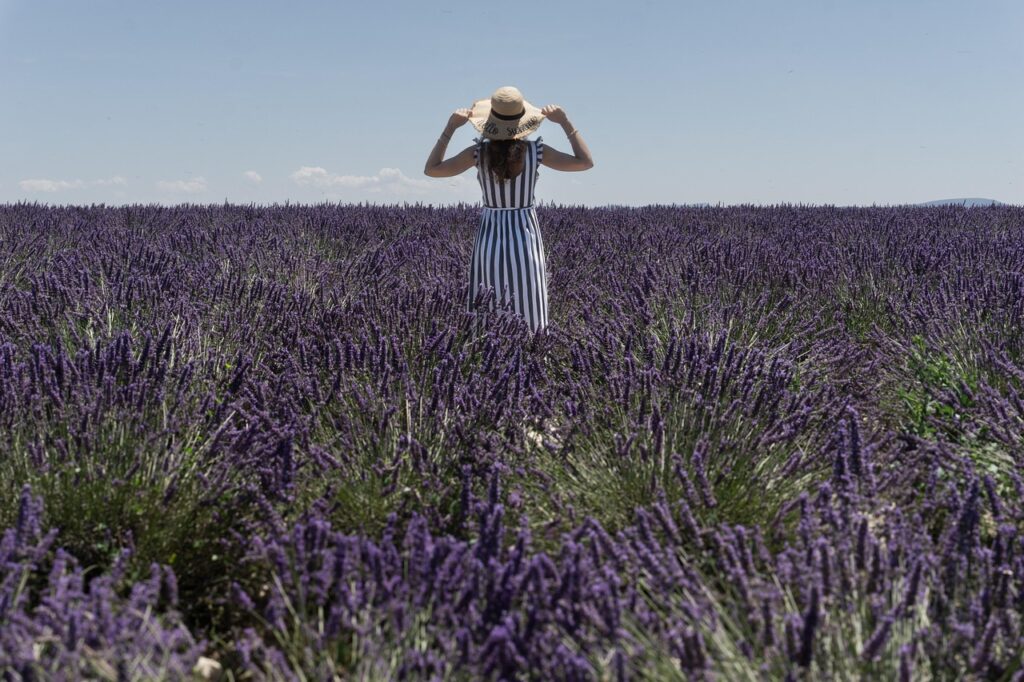
Plan your trip for late July or early August, when the lavender fields of the Luberon burst into violet seas. The towns of Valensole and Sault host weekly markets where you can purchase fresh lavender bouquets, honey, and artisanal soaps—ideal souvenirs for your clients or friends.
Charming villages along the way
Castellane, nestled at the foot of the Verdon Gorge, is a village that offers a striking hilltop church and a lively market square.
Digne‑les‑Bains – Known for its thermal springs, Digne provides a relaxing pause after several hours of driving.
Michelin‑starred dining at Mirazur
Perched on the cliffs of Menton near the Italian border, Mirazur holds three Michelin stars and celebrates the bounty of the Mediterranean with a menu that changes daily based on the freshest produce. The panoramic sea view amplifies each bite, turning dinner into a sensory pilgrimage. Reservations are essential; book at least three months in advance.
Detour to the Verdon Gorge
No trip to Provence is complete without a side excursion to the Verdon Gorge, often called “the Grand Canyon of Europe.” The turquoise river carving through limestone cliffs is spectacular from the viewpoint at Point Sublime. For the adventurous, a short drive down the gorge’s winding road leads to kayaking spots and hiking trails. Driving tip: The ascent from Grenoble to the Alpine passes can be demanding; allocate a full day for this part of your trip, allowing for rest stops at scenic overlooks. A rear‑engine sports car will revel in the elevation changes, while a vintage touring car offers a nostalgic feel for the historic route.
From the refined elegance of Bordeaux to the sun‑kissed allure of Provence, each region offers a distinct flavour. If you must pick a personal favourite, Troyes stands out for its blend of medieval charm, champagne‑filled skies, and intimate boutique accommodations. Alternatively, the Route Napoléon in Provence provides an adrenaline‑rich driving experience that pairs perfectly with the region’s natural beauty.
Practical Planning Tips for the classic car road‑tripper
My recommendations
Conduct a full vehicle service before departure. Carry ‘mission critical’ spare parts, a basic toolkit, and a portable jump‑starter, at least. Classic cars benefit from a pre‑trip oil change and coolant flush (the inclines can be hard on cooling systems & radiator caps).
Allocate 2–3 days for Bordeaux & Saint‑Émilion, 3–4 days for the Loire Valley, 2 days for Troyes, and 4–5 days for Provence, although it must be said that all of these trips are best enjoyed over as long a time period as you can. This pacing ensures you can savour each stop without feeling rushed.
Accommodation
Mix boutique hotels (e.g., Hotel La Maison De Rhodes) with chateau stays (e.g., Château de Bagnols‑le‑Croisic in the Loire). Booking early, especially during harvest or lavender season, guarantees availability. Also, check parking. There are times during the summer when it feels like the whole world descends on France, so make sure you have made plans ahead of time.
Navigation
While GPS is handy, keep a paper map of secondary routes. Many charming villages are signposted only locally, and a paper map adds a nostalgic touch to the journey.
Dining Reservations
Michelin‑starred venues require reservations weeks or months in advance. Use the hotel concierge or a dedicated booking platform to secure tables at places like Le Pressoir d’Argent, Les Arpents, and Mirazur.
Cultural etiquette
Greet shopkeepers with a polite “Bonjour” and a brief smile. In wine regions, it’s customary to toast with a modest “Santé” rather than a loud clink.
Closing Thoughts
France’s road network is a living museum of history, gastronomy, and engineering excellence. By weaving together the vineyards of Bordeaux, the châteaux of the Loire, the medieval allure of Troyes, and the alpine drama of the Route Napoléon, you stand a good chance of crafting a journey that satisfies both the connoisseur’s palate and the driver’s soul.
Finally, feel free to share this itinerary with fellow classic and sports car lovers via WhatsApp, Instagram and any other platforms you use. If you haven’t already done so, subscribe to the Touring Standard for more tips like these, and get involved with the group chat on WhatsApp.
Let’s get road tripping!
