

Nothing tests a classic car quite like a European summer. Picture it: a blazing August afternoon, 40°C heat radiating off French tarmac, and you’re inching through a motorway snarl-up outside Lyon. Lorries towering over you, the sun drilling through your windscreen, and your temperature gauge creeping higher than you are comfortable with.
Every classic owner knows this feeling. But overheating doesn’t have to be inevitable. With the right preparation—and a few smart habits on the road—you can keep your engine cool, your trip alive, and your confidence intact.
This guide breaks down why classic cars overheat, how to prevent it, and what to do when you’re stuck in a traffic jam in the worst possible conditions. Whether you drive an MGB, a Mustang, a 911, or anything with carbs and character, these tips will keep your road trip rolling.
Why Classics Run Hot in the First Place
Classic engines were built long before modern climate control, electric fans, lightweight alloys and all that new stuff that makes modern cars virtually indestructible. Their radiators are smaller, their cooling passages wider and less efficient, and their carburettors tend to run rich when stressed. Add old wiring, ageing hoses, and European heat waves and you’ve got a perfect storm.
But the good news? These cars can handle it with the right preparation.
1. Maintenance: The First Line of Defence
Before you even think about crossing the Channel, you want your cooling system absolutely on point. Here’s what to check.
Flush the Cooling System
Old coolant loses its ability to manage heat. Rust flakes, silt and scale can clog the radiator cores and reduce flow.
Flush it, refill it, and use a proper 50/50 coolant mix (unless your car specifically requires otherwise).
Inspect the Radiator
Shine a torch through the fins. Can you see daylight? If not, it’s partially blocked.
Consider a professional recore, especially if it’s 25+ years old. A modern high-efficiency core transforms hot-running classics.
Check All Hoses
Cracks, softness, weeping joints—replace them. A £12 hose can end a £3,000 road trip.
Thermostat Health
A sticking thermostat is a silent killer. Swap it for a new quality item, and make sure it’s the correct temperature rating for your engine. Depending on your car and destination, some people have been known just to remove the thermostat altogether.
Correct Mixture & Timing
An engine running lean or with too much advance creates excess heat.
Get a pre-trip tune-up—not a generic MOT quick look, but a proper classic-savvy carburettor and ignition session.
Water Pump Condition
A tired water pump moves less coolant. If it’s old, noisy or weeping, replace it before the trip.
Simple maintenance solves 80% of overheating issues. Some water pumps even have a ‘weep hole’ that gives you a tell-tale drip when the seals are wearing out.
2. Smart Modifications That Make a Huge Difference
Purists may wince, but there are upgrades that dramatically improve cooling while keeping the spirit of the car intact.
Electric Fan Upgrade
Most classics rely on a mechanical fan bolted to the water pump. Effective only at higher RPM, they struggle in traffic. A thermostatically-controlled electric fan is the single best modernisation you can make. Mount it as a puller behind the radiator or a pusher in front (make sure you get the blades spinning the right way around).
Aluminium Radiator
A well-designed alloy radiator offers better heat dissipation and lighter weight. Avoid cheap ones – go for a reputable brand with proper welding.
Oil Cooler
Hot oil means a hot engine. A thermostatically-controlled oil cooler keeps temperatures stable during long climbs or traffic jams.
Coolant Additives
Some products improve heat transfer and can knock a few degrees off. They’re not magic, but they help. I have used Water Wetter on a few occasions which seems to make a difference. You can find it here.
Louvered Bonnet or Heat Shields
Subtle exterior vents or reflective heat barriers around the exhaust manifold can reduce under-bonnet temperatures.
Upgraded Fan Shroud
If your mechanical fan must stay, make sure it has a proper shroud. A fan without a shroud is just stirring air around the engine bay, not pulling it through the radiator.
These small changes can turn a marginal cooling system into a dependable one.
3. Driving Technique: How You Drive Matters
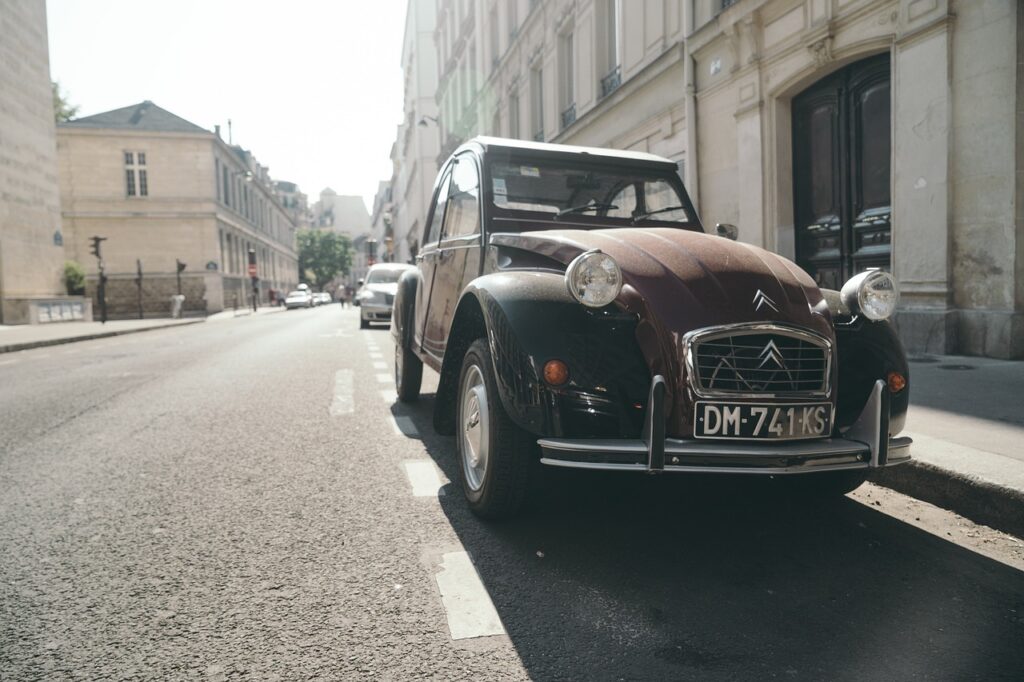
Even a perfectly set-up car can overheat if pushed badly. Think about stressing your engine and components as you go.
Don’t Lug the Engine
High gear + low RPM = heat buildup.
Drop a gear. Let the fan and water pump spin faster.
Back Off the Throttle on Long Climbs
Carrying speed works better than hammering the engine.
If you’re climbing Alpine passes in summer, short breaks help enormously.
Use the Heater (Yes, Really)
Opening the heater dumps heat from the engine into the cabin. Yes, it turns the inside into a sauna—but it can drop the gauge by 5–10°C. Crack the windows, suffer for ten minutes, save your engine. I once survived a 2 hour traffic jam in blistering French heat using this method. Works a charm.
Switch Off the Engine in Queues
If you’re stuck and it’s clearly not moving, ignition off. A hot idling engine with no airflow is a recipe for boil-over.
Don’t Stop Immediately After Hard Driving
If you’ve just come off a motorway blast into a service station, let the car idle with the fan working before you shut it down. Driving habits matter more than many owners realise and a bit of regular care will prolong the life of your pride and joy.
4. Surviving a French Traffic Jam in 40°C Heat

This is where theory meets reality. Picture a scorching Friday in August, half of Paris heading south, and you in your classic.
Here’s how to handle it.
1. Plan for Airflow
If traffic is crawling, leave plenty of distance ahead. That space lets you keep a slow, rolling pace instead of stop-start idling.
2. Heater On, Windows Open
It’s grim, but it works.
When you feel the temperature rising, flick the heater on early—not when it’s already too hot.
3. Manual Fan Override
If you’ve installed an electric fan, wire in a manual override switch. In jams, run it continuously and make sure your electrical system can cope with it (fan’s typically pull a lot of current).
4. Aim for Shade
If vehicles ahead are stopped, try to position yourself under a bridge, tree line or sign.
Every little helps.
5. Don’t Run the Engine Unnecessarily
If the jam stops completely and you can see the queue stretching into tomorrow, engine off.
Let heat soak stabilise. Start again when traffic moves.
6. Watch the Gauge, Not the Clock
Your timetable doesn’t matter. Your cooling system does.
If you need to pull onto the hard shoulder for five minutes to cool down- do it.
7. Keep Fluids on Board
Carry:
- 2–3 litres of premixed coolant
- A bottle of plain water
- Gloves
- A towel
- A basic toolkit
You’ll rarely need them—but the peace of mind is huge.
5. When Things Start to Go Wrong
You’ve done everything right, but the needle keeps climbing. What now?
Pull Over Early
Don’t wait for steam.
As soon as you see temperatures getting out of hand, stop somewhere safe.
NEVER Open the Radiator Cap When Hot
You’ll get a geyser of boiling coolant. Let it cool. 30 minutes minimum.
Check for Obvious Issues
- Fan not spinning?
- Bottom hose collapsed?
- Coolant low?
- Steam from a weak hose?
Fix what you can, when safe to do so. Call for assistance if you can’t.
Refill Carefully
Top up slowly. Don’t shock a hot block with cold water. Warm it in the sun if you can.
6. The Real Secret to Enjoying Hot-Weather Road Trips
Most overheating problems aren’t caused by extreme heat. They’re caused by neglect or by just driving without mechanical sympathy.
Classics run happily through France, Italy, Spain and Switzerland every summer—if they’ve been maintained properly and driven with mechanical sympathy.
Put in the prep, know how to react, and you’ll breeze through situations that leave other drivers stranded on the hard shoulder. And when you roll into a French village after surviving a traffic jam in 40°C heat, windows down, engine purring—they’ll admire your car even more for making it.
If you want more guides like this—covering preparation, tools, breakdown kit essentials, and the best routes for classic touring—join The Touring Standard, our free bi-weekly newsletter for people who actually drive their cars.
Let’s keep Europe open for touring, one cool-running classic at a time.
